How Casino Reality Checks Differ
Online gambling platforms across France and Europe progressively rely on reality checks to help players maintain control over their sessions. These in-session reminders are not just a regulatory checkbox; they influence how individuals view time, voir le site officiel, spending, and engagement. Evaluating how different casinos implement reality checks reveals significant differences in timing, customisation, delivery, and integration with other responsible gaming tools. For a player assessing where to register, understanding these nuances can influence both safety and overall enjoyment. The following exploration examines the mechanics behind reality checks, how French regulations guide their design, and what practical distinctions exist among operators, including the approach taken by a modern platform that pairs these features with a broad game library, flexible payment options, and mobile-optimised access.
The Regulatory Environment Across Europe
Playtime alerts are not uniformly required in the same way across all jurisdictions, but the trend is toward stricter requirements. In France, the Autorité Nationale des Jeux (ANJ) sets clear responsible gaming obligations on licensed operators, which include providing session time reminders. While the specific interval may not be dictated down to the minute, French-licensed sites must integrate mechanisms that discourage excessive play and allow players to establish personal limits. This regulatory backdrop means that any casino aiming at the French market, whether licensed locally or operating under a acknowledged European authority, is compelled to provide robust reality check features.
French ANJ Requirements
The ANJ’s framework focuses on player protection through obligatory limit-setting tools and clear communication. Casinos must enable users to set deposit, wager, and session time limits when registering, and reality checks are a natural extension of this philosophy. The regulator expects operators to pause play at regular intervals with detailed information, though the exact intervals is often left to the operator’s own safer gambling policy. Audits and compliance checks guarantee that these features are not merely cosmetic. For a player in France, selecting a platform that adheres to ANJ standards means the reality check is underpinned by a legal obligation, not just a voluntary measure.
UKGC Standards
The United Kingdom Gambling Commission employs a more prescriptive approach. Licensees are required to implement reality checks that are displayed at least every 60 minutes, showing the time elapsed since the session began and granting access to account history. The UKGC also mandates that players cannot disable these alerts entirely, and the system must force a decision before play can resume. This contrasts with some softer implementations where a pop-up can be dismissed with a single click without any mandatory pause. Comparing UKGC-licensed casinos with those under other regimes shows that regulatory strictness directly affects the user experience, often making reality checks more prominent and harder to ignore.
Malta Gaming Authority Strategy
Malta-licensed operators, which serve many French-speaking players, are required to comply with the MGA’s Player Protection Directive. This encompasses offering reality checks that can be set by the player at intervals spanning from 30 minutes upwards, with the default often established at 60 minutes. The MGA also stipulates that the reality check message contains the amount won or lost during the session, offering a fuller picture. While the MGA framework is robust, it offers more flexibility than the UKGC, meaning players might encounter variations in how forcefully the reminder interrupts gameplay. This diversity makes direct comparison useful for anyone who appreciates a specific style of intervention.
What Defines a Top-Tier Reality Check Experience From Others
Outside of regulatory compliance, the most effective reality check implementations have several attributes: they are adjustable, non-intrusive yet unavoidable, informative, and seamlessly integrated with other player protection tools. A top-tier experience also demonstrates the operator’s broader commitment to user welfare, which can be seen in the clearness of its licensing, the speed of customer support, and the general design of the platform. When a casino invests in a refined reality check system, it often signals that the same attention to detail carries over to game selection, payment security, and mobile accessibility.
Game Variety and Reality Check Importance
A diverse game library boosts the reality check’s worth because different game types carry different time-distortion risks. Slots with rapid autoplay features can make an hour seem like minutes, while live dealer blackjack or roulette moves at a more measured pace. Spinogambino features a extensive catalogue that includes video slots, classic table games, live casino tables, and a sportsbook section. The reality check functions uniformly across all verticals, guaranteeing that a player moving from slots to live betting keeps within the same protected session. This cross-product reliability is a clear indicator of a well-thought-out safer gambling framework.
Licensing and Player Protection
The reliability of any reality check system is ultimately linked to the operator’s licence and regulatory oversight. A casino working under a reputable authority is subject to audits that confirm the functionality of responsible gaming tools. Players can typically find licensing information in the website footer, and this transparency is a key trust signal. At Spinogambino, the platform holds a recognised international licence and adheres to strict data protection standards, including SSL encryption. The reality check feature is not a standalone gimmick but part of a compliance framework that also includes identity verification, secure payment gateways, and accessible customer support available via live chat and email.
Mobile Enhancement and User Control
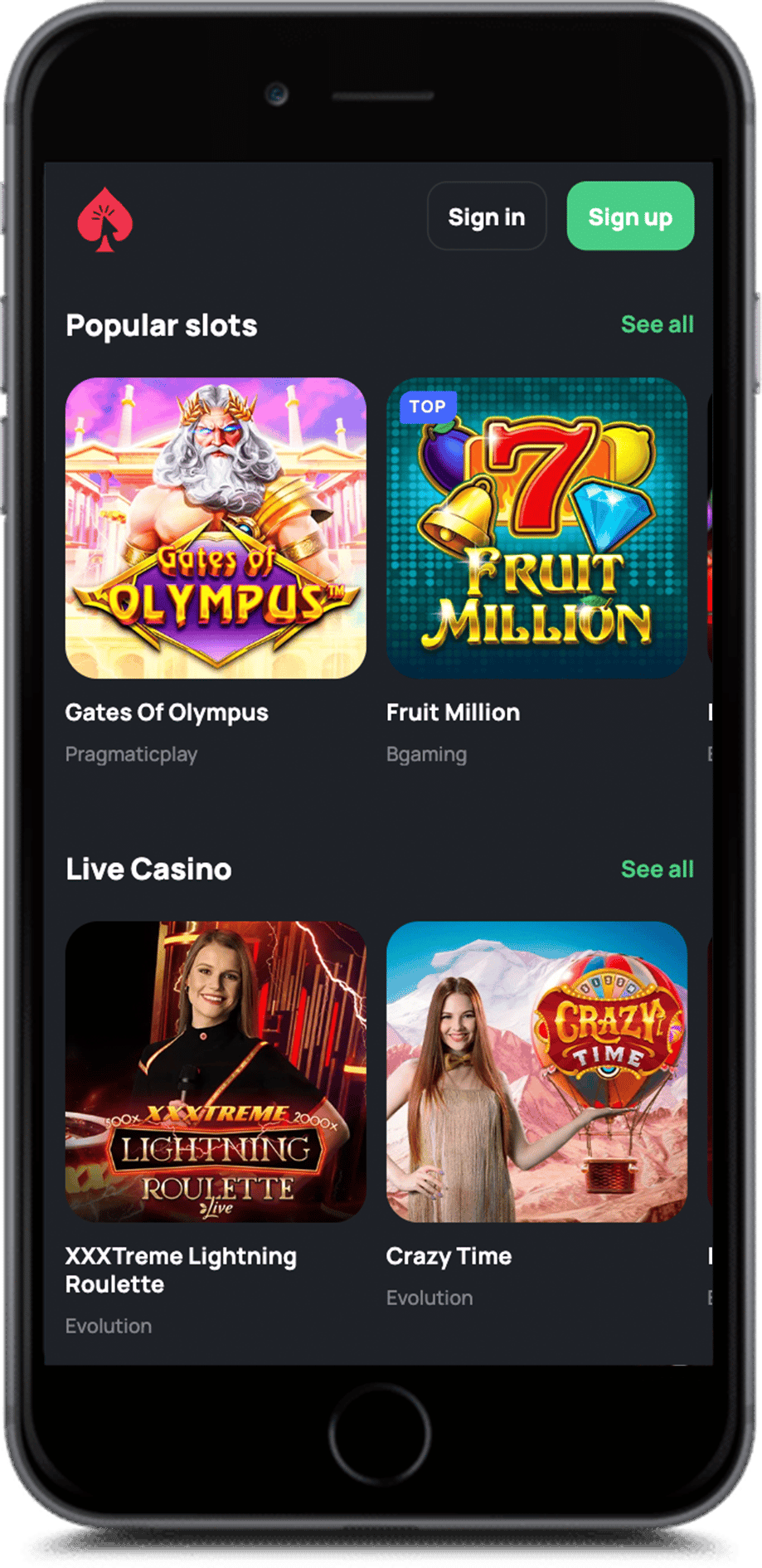
With a significant portion of French players using casinos via smartphone, mobile optimization of reality checks is non-negotiable. A high-quality mobile experience ensures the pop-up scales correctly, does not hide critical game controls, and lets the player to take an informed choice with a single tap. Spinogambino’s mobile site is built adaptively, so the reality check appears as a centred overlay with clear buttons, irrespective of screen size. The settings panel, where players set reminder frequency or session limits, is just as accessible on mobile devices. This smooth design prompts players to interact with the tools rather than ignore them as an annoyance, ultimately making the reality check more effective.
Deposit Options and Time Alert Continuity

Funding and withdrawing funds are instances when reality checks may be briefly halted on some platforms, but the most safety-conscious casinos keep them active during the full user journey. If a player initiates a deposit during a long session, the reality check timer must not reset or pause. Rather, the system ought to continue counting from the start of the session and show the reminder at the set interval, even when the player is on the cashier page. This consistency eliminates a loophole where frequent depositors might avoid seeing a time alert by repeatedly topping up their balance.
Spinogambino offers a variety of payment methods popular in France, like Visa, Mastercard, Skrill, Neteller, and bank transfers. Standard processing times for e-wallet withdrawals range from 0 to 24 hours, while card and bank transfer withdrawals may take between two and five business days. During the deposit process, the reality check remains active, and the cashier interface itself might feature a discreet timestamp or session duration indicator. This design choice strengthens the message that responsible gaming is not compartmentalised but woven into every part of the experience. Players evaluating casinos ought to consider whether the payment flow disrupts or respects the reality check schedule.
Another aspect is the presentation of financial information within the reality check pop-up. A well-designed reminder ought to present not only time elapsed but also the net deposit and withdrawal activity for the session. This is particularly useful for players who use multiple payment methods and could forget of their overall position. By merging this data, the platform converts a simple time alert into a mini financial statement. When paired with fast, transparent payment processing, this feature helps build trust. Checking whether a casino offers such detail in its reality check is a sensible step in judging its overall quality.
The way Reality Checks Vary in Timing and Personalisation
The most apparent difference between casino reality checks lies in the timing options offered and the degree of player control. Some platforms fix the interval at a fixed 60 minutes, while others let users to choose from a range such as 30, 45, 60, or 90 minutes. A few extend this and enable session-based triggers, where a reminder pops up after a certain number of rounds or a specific wagering threshold is reached. The capability to customise these settings is a significant quality marker because it respects individual play patterns. A casual slot player who connects for short bursts may prefer a 30-minute alert, whereas a poker tournament participant might want a longer window before an interruption makes sense.
Set vs Adjustable Intervals
Fixed intervals simplify the experience but can feel rigid. A casino that only offers a 60-minute reality check with no option to shorten it may not serve players who want more frequent reminders. Conversely, adjustable intervals empower the user but require a clear interface. The best implementations present the choice during registration and enable changes from the account settings at any time. At Spinogambino, for instance, the reality check feature is incorporated into the responsible gaming dashboard, where players can select their preferred reminder frequency from several preset options. This flexibility ensures the tool tailors to the individual rather than forcing a one-size-fits-all solution.
Play Session Limit Integration
Beyond simple time alerts, some casinos tie reality checks to hard session limits. Once the player attains the chosen time cap, the system can automatically log them out or stop further play for a cooling-off period. This integration converts a passive reminder into an active safety net. When comparing operators, it is important checking whether the reality check is purely informational or whether it can trigger a forced break. Platforms that merge both approaches provide players a gradual escalation: first a warning, then a mandatory pause. Such layering is often present in casinos that emphasise safer gambling, and it aligns well with the expectations of French players accustomed to ANJ-influenced protections.
The Role of Reality Checks in a More Comprehensive Safer Gambling Toolkit
Reality checks do not operate in isolation. They form one component of a suite of responsible gambling tools that typically includes deposit limits, loss limits, wager limits, and self-exclusion options. The most effective platforms integrate these features so that a player can establish a daily deposit cap, get a session time alert, and then initiate a cooling-off period if limits are breached. When evaluating casinos, it is beneficial to examine how seamlessly reality checks connect with other controls. A disjointed system where time reminders are present but deposit limits are hard to find produces gaps in protection that can compromise the whole framework.
For example, a player who establishes a weekly deposit limit of €200 and also turns on a 45-minute reality check gains from two layers of defence. The time alert prevents unintentional marathon sessions, while the financial cap stops overspending. If the reality check also shows the remaining deposit limit or the amount wagered so far, the player gains a comprehensive snapshot. Casinos that provide this integrated display are in front of those that manage each tool as a standalone feature. The Spinogambino platform, for instance, presents a unified responsible gaming page where limits and reality checks are controlled side by side, making it simpler for users to maintain control without navigating multiple menus.
Self-exclusion and time-out features also function with reality checks. A player who repeatedly ignores reminders may be invited to consider a short break. Some operators employ the reality check screen to provide a direct link to the time-out function, minimizing friction. This design choice demonstrates a proactive stance on player welfare. When reviewing different casinos, the presence of such links within the reality check pop-up itself is a small but telling detail. It shows that the operator sees the reminder not as an annoyance to be dismissed but as a genuine gateway to further support tools.
In what manner Reality Checks Interact with Bonuses and Wagering Requirements
Bonus play brings a special dynamic to reality checks. When a player is completing a wagering requirement attached to a welcome offer or free spins, the sense of time pressure can be heightened. A reality check that shows up during a bonus session might be perceived as an obstacle to completing the playthrough, especially if the bonus has an expiry window. Operators must balance responsible gaming with the commercial reality of promotions. The best approach is to guarantee that reality checks remain fully functional during bonus play, without any option to disable them, and that the time spent on wagering is clearly indicated in the reminder message.
At Spinogambino, the welcome package typically contains a matched deposit bonus and a batch of free spins on selected slots. Players who accept such an offer will find that the reality check continues to operate normally, showing the elapsed time and net position. This transparency is crucial because bonus terms often require a certain volume of wagers within a limited period, and it is easy to lose track of time chasing the requirement. By preserving the reality check without interruption, the platform assists players keep track of how long they have been engaged, even when a promotional incentive is in play.
https://www.reddit.com/r/vegas/comments/1f42hwc/will_i_really_need_to_carry_id_with_me_everywhere/ Some casinos have tested pausing reality checks during bonus rounds or free spin sequences, claiming that interruptions could spoil the entertainment. However, this practice is increasingly discouraged by regulators and player advocacy groups. A consistent reality check policy, applied regardless of whether real money or bonus funds are in use, is a sign of a serious approach to player protection. When evaluating operators, it is worth checking the terms and conditions or the responsible gaming policy to see if any exceptions are made during promotional play. A uniform standard is always better.
Comparing Reality Check Delivery Across Devices
The way a reality check appears can vary significantly depending on whether the player is using a desktop browser, a mobile web app, or a native application. On desktop, the alert often takes the form of a modal window that dims the background and necessitates a click to continue. On mobile, screen real estate is restricted, so the design must be readable without obstructing the game entirely. A poorly optimised mobile reality check might be hard to spot or so intrusive that it irritates the user. The best operators test their responsible gaming features across all devices to ensure consistency.
PC Browser Alerts
On a computer, reality checks commonly pause the game and display a full overlay. The message typically includes the session duration, net result, and buttons to continue playing, view account history, or log out. Some casinos incorporate a mandatory 30-second delay before the “continue” button becomes active, forcing a brief reflection period. This approach is successful but can be bypassed if the player simply switches to another tab. Therefore, the most robust desktop implementations also initiate an audio alert and bring the browser window to the foreground, ensuring the message is seen. Evaluating how aggressively different casinos enforce attention demonstrates their commitment to the feature’s purpose.
App-Based and Push Notifications
On smartphones, reality checks often surface as in-app overlays that must be acknowledged before the game resumes. However, mobile users may also obtain push notifications if they have enabled them, alerting them of session length even when the app is in the background. This dual approach is more widespread in native apps than in mobile browser play. For a platform like Spinogambino, which offers a fully responsive mobile site without requiring a download, the reality check is presented as an on-screen modal that adapts to the device’s orientation. The absence of a native app does not lessen the effectiveness, provided the mobile web implementation is well-executed and tested across iOS and Android browsers.
What Are Casino Reality Checks and Why They Matter
A reality check represents a pop-up or overlay notification that shows up after a predetermined period of continuous play, informing the player how long they have been logged in and often showing net win or loss figures for that session. The primary goal involves to interrupt automatic, immersive behaviour and restore conscious decision-making. Without such interruptions, players can lose track of time, especially during fast-paced slot sessions or live dealer games where rounds unfold rapidly. The psychological mechanism is straightforward: breaking the flow creates a moment of reflection, allowing the individual to decide whether to continue, take a break, or log out entirely.
These reminders matter because they directly address the dissociation that can occur during gambling. Research into player behaviour reveals that time distortion is common, and even a brief on-screen message can reduce the likelihood of excessive session lengths. For many users, a reality check works as a gentle nudge rather than a restrictive barrier, keeping the entertainment value while adding a layer of protection. Operators that design these alerts to be clear, non-intrusive, and informative tend to see higher trust levels among their customer base. The absence of such a feature, or a poorly implemented one, can leave players vulnerable to unintended overplay.
From a practical standpoint, reality checks also function as a log of activity. Some systems offer a summary of deposits, withdrawals, and total time spent across recent sessions. This transparency promotes responsible gambling by turning abstract play into concrete data. When a player sees that two hours have passed and a certain amount has been wagered, the decision to stop becomes evidence-based. In comparison, casinos that only show a generic time alert without financial context offer a less complete reality check. The depth of information provided is one of the first points of comparison between different platforms.
FAQ
What precisely is a casino reality check?
A reality check is an on-screen notification that shows up during a gambling session after a set amount of time, usually displaying the duration of play and often the net win or loss. Its purpose is to disrupt continuous play and enable the player make a conscious decision about whether to continue, take a break, or stop. It is a responsible gambling tool required or suggested by many regulators.
Are reality checks compulsory at French online casinos?
French regulations enforced by the ANJ require licensed operators to offer player protection tools, including session time reminders. While the exact frequency is not necessarily fixed by law, casinos targeting the French market must provide mechanisms to avoid excessive play. Players should consult the responsible gaming page of any platform to verify how reality checks are implemented and whether they can be customised.
Is it possible to deactivate reality checks if I find them annoying?
In most regulated casinos, reality checks cannot be completely disabled because they are a mandatory player protection feature. However, many platforms let you to adjust the reminder interval to a longer period, such as 90 minutes, if the default feels too frequent. The option to dismiss the alert and continue playing is usually available, but the reminder itself will return after the chosen interval.
Do reality checks apply when I play with bonus funds?
Certainly, at trusted casinos reality checks remain active during bonus play, encompassing while fulfilling wagering requirements. The timer does not pause just because you are utilizing free spins or a matched deposit bonus. This makes sure that the protective function is uniform, regardless of whether you are playing with real money or promotional credits. Always check the operator’s policy to confirm there are no exceptions.
By what method do reality checks function on mobile devices?
On mobile, reality checks display as an overlay or pop-up inside the browser or app, comparable to the desktop experience but optimised for smaller screens. The alert halts the game and needs an action before play continues. Some native apps also send push notifications. A carefully crafted mobile site, like Spinogambino’s, ensures the reminder is obvious and easy to engage with, without hiding game controls or triggering accidental taps.
What information should a good reality check show?
A comprehensive reality check shows the total time passed in the current session and the net amount profit or loss. Some also show the number of rounds played, deposit activity, or remaining session limits. The more open the data, the more effectively the tool works. Casinos that only display a generic time alert without financial context provide a less full reality check, diminishing its efficacy as a decision-making aid.
Can Spinogambino have customisable reality check settings?
Yes, the platform provides a responsible gaming section where players can set their selected reality check interval from several options. The feature is combined with other tools like deposit limits and session time caps, all manageable from a single dashboard. The reality check pop-up includes session duration and financial summary information, and it works consistently across desktop, mobile, and all game categories, including the sportsbook.
Share this content:
إرسال التعليق